
The Power of EMDR Flash in Trauma Recovery
The problem with talking about trauma is that it revivifies the experience. That means you re-live the trauma in the moment, reinforce, and rewire your brain to stay stuck in the trauma loop.
Not good.
Instead we use visual (not verbal) pathways backed by Neuroscience and focus on the present moment, not the past, so we can move forward to a whole new future filled with new possibilities for yourself and your life.
EMDR Flash Technique
The EMDR Flash Technique is a rapid, brain-science based therapeutic intervention designed to alleviate distress from traumatic or upsetting memories.
Unlike traditional therapies that may require clients to recall and discuss painful details, the Flash Technique only briefly accesses the troubling memory on the surface before shifting focus to a positive engaging memory.
Throughout the session, you experience alternating bilateral stimulation (such as tapping or eye movements) to help facilitate processing.
Who Can Benefit from EMDR Flash?
The Flash Technique is particularly beneficial for:
- Individuals who experience emotional overwhelm, avoidance, or dissociation from trauma
- Clients who are highly sensitive or find traditional trauma processing too distressing
- Those seeking faster relief from traumatic symptoms without revisiting every painful, personal detail of their experience
How is EMDR Flash Different from Standard EMDR?
Less Exposure: Traditional EMDR requires clients to focus on the traumatic memory for extended periods, whereas the Flash Technique minimizes this exposure, making the process less distressing.
Speed: The Flash Technique often reduces distress more quickly than standard EMDR protocols.
Emotional Safety: Clients are able to process traumatic material with much less emotional activation, making it suitable for those with high sensitivity or avoidance.
Positive Focus: 99% of your focus will be directed to a positive engaging memory (PEM) which helps integrate emotional disturbances quickly and efficiently.
What are the Outcomes of EMDR Flash?
- Rapid reduction in emotional distress and traumatic symptoms, such as anxiety and intrusive thoughts.
- Effective even for those who struggle with avoidance or dissociation.
- Improvements are sustained and accelerated with other neuroscience-based recovery technologies
Clients often report a sense of relief and emotional ease without the exhaustion of reexperiencing trauma in detail.
How Does EMDR Flash Work on Traumatic Memories
EMDR Flash Technique rapidly reduces the emotional intensity of intense trauma memories by minimizing conscious engagement with the distressing content while enabling the brain to process and resolve it.
Instead of repeatedly revisiting painful, personal traumatic details, clients find a target memory to work on and then quickly shift focus to a positive engaging memory while engaging in bilateral stimulation (like tapping or eye movements).
EMDR Flash method:
- Decreases emotional distress associated with traumatic memories, often making the memory feel less disturbing, and sometimes producing spontaneous resolution of symptoms[1]
- Facilitates adaptive reprocessing of trauma, so the person can recall the memory without strong negative emotional reactions[2]
- Is especially helpful for individuals who are highly distressed, avoidant, or prone to dissociation, for whom direct exposure would be too overwhelming[3]
Neuroscience research suggests that EMDR Flash::
- Inhibits amygdala activation (the brain’s fear center), reducing the emotional charge linked to trauma
- Activates the prefrontal cortex and working memory, helping the brain “file away” the trauma without full reliving
- Uses positive emotional focus to broaden cognitive flexibility and support adaptive integration of traumatic experience
In summary, EMDR Flash makes intense trauma memories less emotionally disturbing, safer to approach in therapy, and easier to process—often with results that are faster and less distressing than traditional trauma therapy methods[4].
This makes the EMDR Flash Technique a trauma-informed, gentle, and efficient approach for trauma recovery, widely sought after by clients ready to move past distressing memories with minimal pain and lasting results.
Let’s connect.
Listen, are you breathing just a little and calling it a life?
-MO
Reviews




















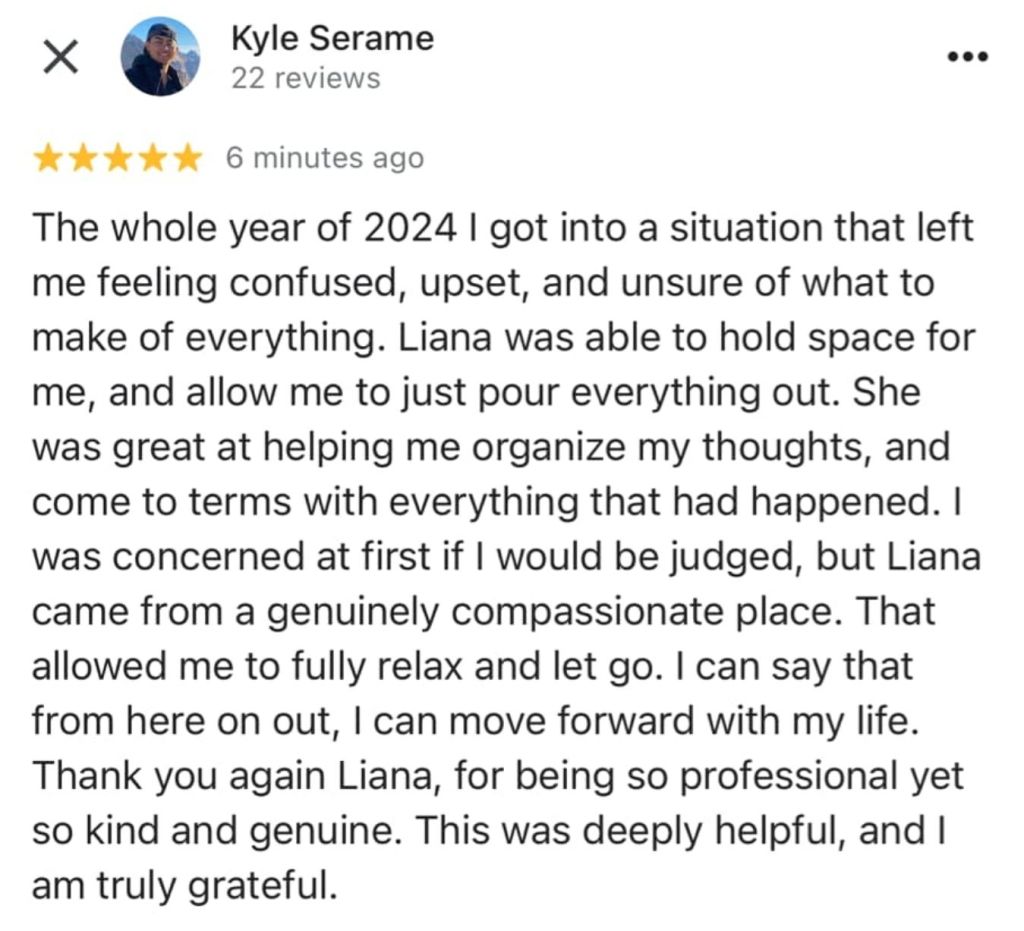




 EMDR Flash Technique