Maintaining results and trauma recovery: EMDR Flash Technique long-term
Healing from trauma is not just about feeling better in the moment.
The real work is sustaining those results over the long term.
Many individuals who try the EMDR Flash Technique wonder what happens after the sessions end.
Will the changes last?
Can trauma recovery actually hold steady over time?
The EMDR Flash Technique creates measurable, lasting changes in how the brain processes trauma.
But recovery is also a process. It requires integration, maintenance, and sometimes ongoing support.
Why aftercare matters in EMDR and Flash Technique
Trauma isn’t just a memory stored in your brain—it’s stored in your body, as a whole-body response.
When you’ve lived with trauma for years, your nervous system has learned to stay on high alert.
This is why EMDR aftercare is so important.
Even after distressing memories lose their emotional charge, your nervous system might need time to adjust to feeling safe.
Neuroscience-backed aftercare means reinforcing new neural pathways that support nervous system regulation, emotional balance, and mental clarity.
Without this step, old patterns can creep back in.
Sustaining healing with EMDR Flash
The Flash Technique has a unique advantage in long-term trauma recovery.
Because it works without requiring you to relive distressing memories, it tends to feel safer and less overwhelming.
That sense of safety makes it easier for individuals to continue integrating the changes in daily life.
Sustaining healing with EMDR Flash often looks like:
- Returning briefly to sessions when new triggers show up
- Practicing grounding or bilateral stimulation outside of therapy
- Using positive imagery to reinforce emotional stability
- Allowing space for your nervous system to relearn safety over time
How the brain holds long-term trauma healing
Research shows that EMDR and the Flash Technique create long-term shifts in how the brain encodes and recalls traumatic material.
Distressing memories move from “stuck” emotional storage into long-term memory networks where they can be recalled without triggering panic.
This is sustained by two main processes:
- Neuroplasticity – the brain’s ability to form new pathways that reduce hyperarousal.
- Memory reconsolidation – once memories are reprocessed, they don’t return to their old painful state.
When combined with practices based in neuroscience, these changes hold.
Flash Technique benefits in long-term trauma recovery
One of the strongest benefits of the Flash Technique is its adaptability.
It can be used both as an in-depth intervention and as a lighter touch-up when new triggers appear.
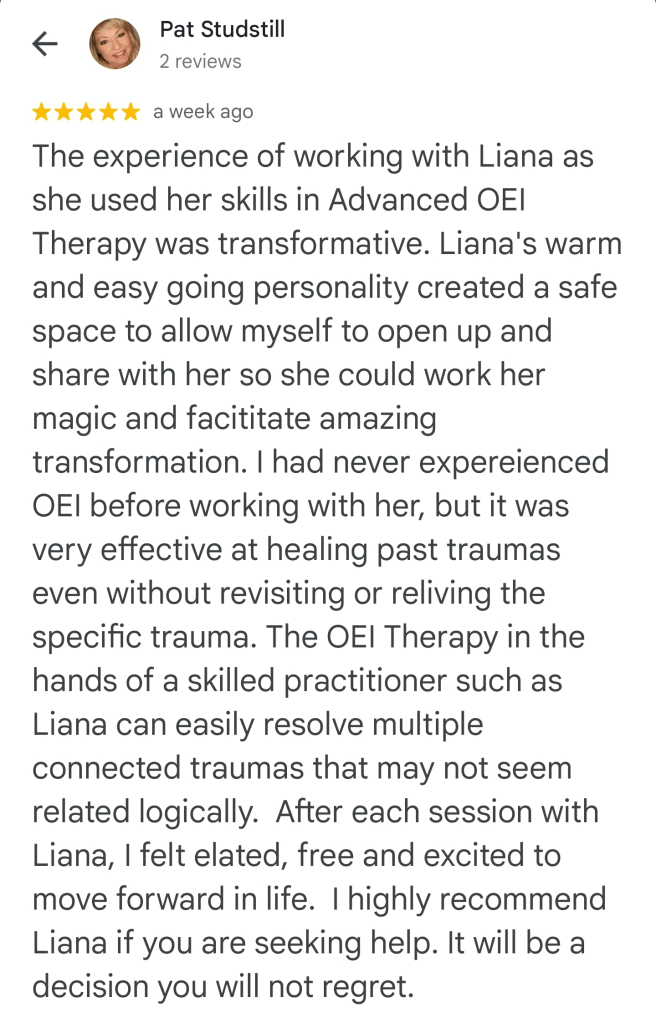
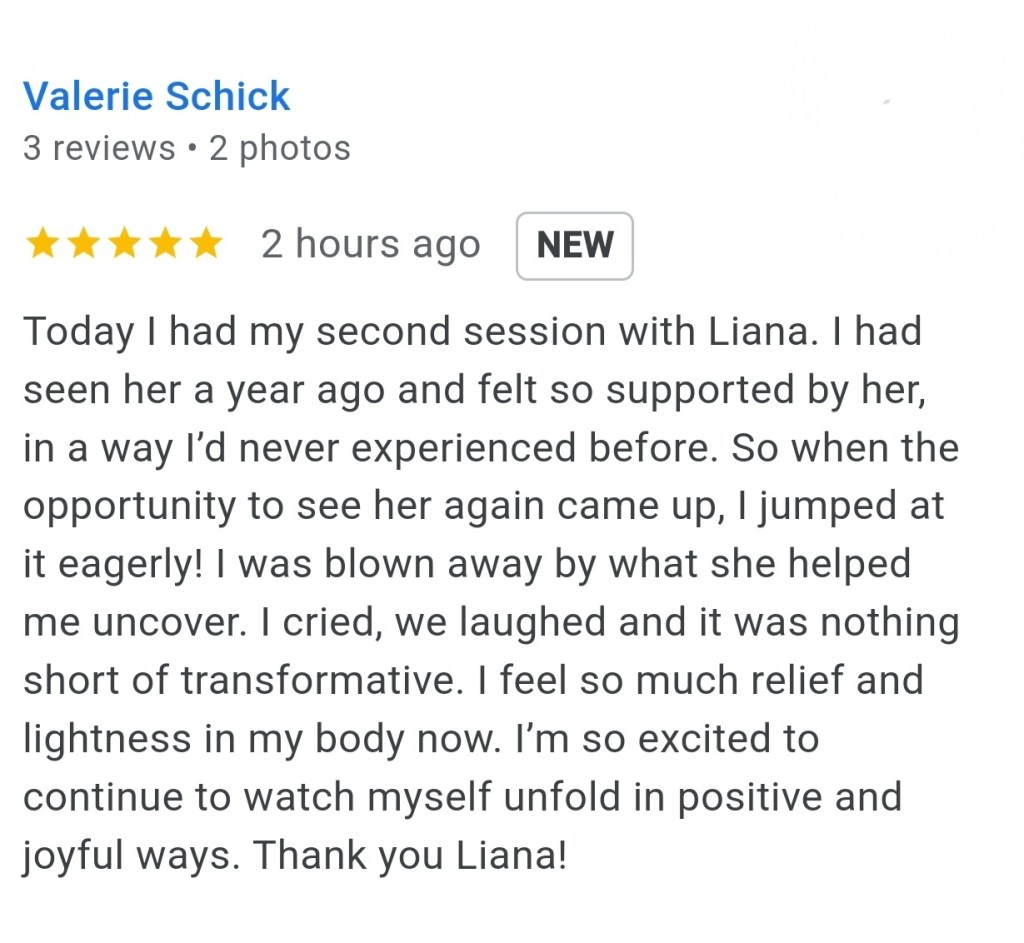
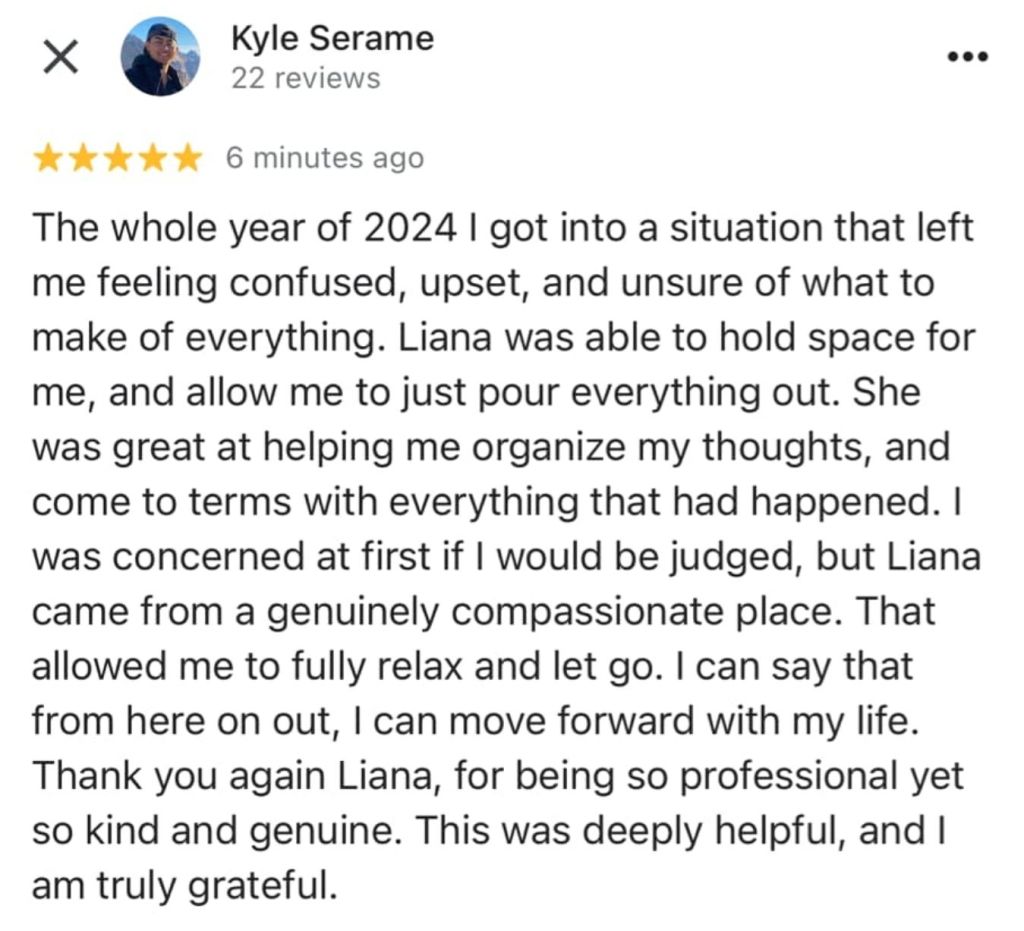
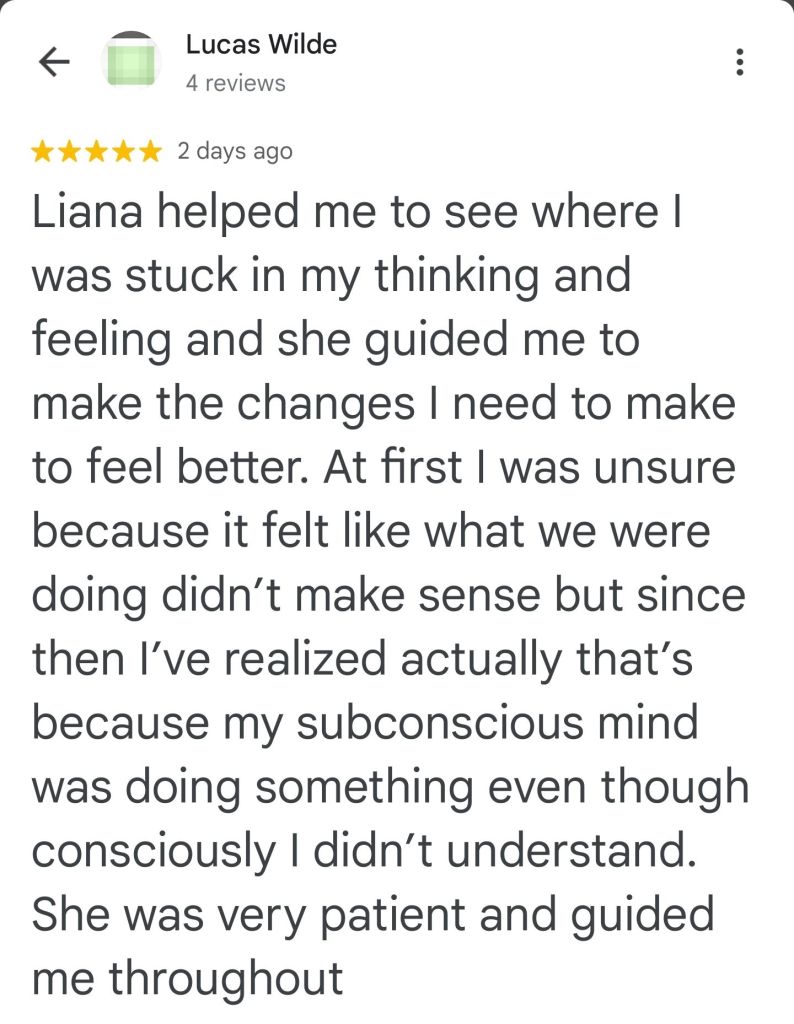
Many clients report that having this method available helps them feel more confident about long-term trauma maintenance.
Benefits include:
- Lower risk of overwhelm or retraumatization
- Quick reduction of distress when new memories surface
- Increased emotional flexibility and resilience
- Better integration of therapy gains into daily life
Integrating EMDR Flash Technique into real life
Trauma recovery doesn’t end when therapy stops.
Integration is what turns change into lasting healing. This means using the tools and skills from EMDR and Flash in everyday situations.
For example:
- Using bilateral stimulation before a stressful meeting
- Applying grounding when sleep feels disrupted
- Turning to positive imagery during moments of anxiety
- Recognizing triggers as signals for care instead of setbacks
Integration is the bridge between therapy and long-term freedom from trauma.
Long-term outlook for trauma recovery with EMDR Flash
Studies show that the results of EMDR can last years after treatment. Research on the Flash Technique points to similar long-term effectiveness.
any clients describe recovery as a steady shift—less reactivity, fewer flashbacks, more confidence in navigating daily stress.
You don’t have to remember to recover.
Trauma recovery is about reclaiming your nervous system and learning that safety is possible again.
With EMDR Flash Technique, sustaining healing becomes less about reliving trauma and more about living your life.
Learn more about Research on EMDR Flash Technique
Let’s connect.
Listen, are you breathing just a little and calling it a life?
-MO





























 EMDR Flash Technique